
Open Access in Art History
Works in art history are increasingly being published in digital formats, and open access plays an important role in this regard. For example, Heidelberg University Library, together with its Specialised Information Service Art, Design, Photography, arthistoricum.net, have jointly developed strategies for digital publishing in the arts with representatives of the professional associations in the field of art history. Particularly in Die Zukunft des kunsthistorischen Publizierens [The Future of Art Historical Publishing]), an e-book edited by Maria Effinger and Hubertus Kohle (2021), the possibilities of digital publishing are set out in numerous contributions from an art history perspective. These thoughts were further developed by Maria Effinger (2023) in an article entitled “Kunstgeschichte kommunizieren? Aufgaben, Herausforderungen und Weiterentwicklungspotenziale beim elektronischen Publizieren im Open Access” [Tasks, Challenges, and Potential for Further Development When Publishing Electronically in Open Access]. A further fundamental work entitled Digitales Publizieren in den Geisteswissenschaften: Begriffe, Standards, Empfehlungen [Digital Publishing in the Humanities: Concepts, Standards, Recommendations] (AG Digitales Publizieren, 2021) was published by the Digital Publishing Working Group of the association Digital Humanities in the German-Speaking Area (DHd). Veronika Fischer and Grischka Petri’s (2022) guide Bildrechte in der kunsthistorischen Praxis [Image Rights in Art Historical Practice] provides answers to questions about image rights.
Open Access Journals
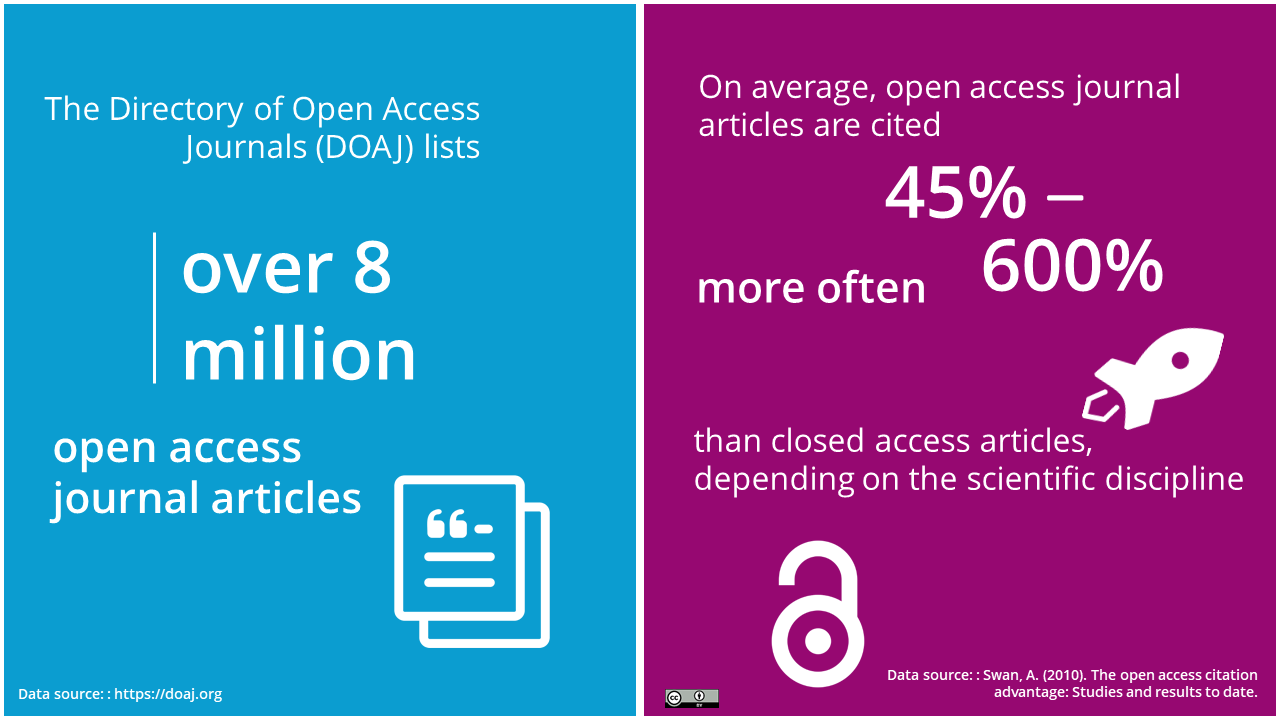
As of September 2025, the Directory of Open Access Journals (DOAJ) listed 87 entries under the search term History of the arts and 686 entries under Fine arts. Besides newly established open access journals, retrodigitized journal volumes are also available in open access. New issues of these journals either appear simultaneously in print and in digital format, or the digital version is made available in open access after an embargo period (delayed open access).
Important open access journals published in the German-speaking area include:
- 21: Inquiries into Art, History, and the Visual – Beiträge zur Kunstgeschichte und visuellen Kultur DOAJ
- ABE-Journal: Architecture Beyond Europe DOAJ
- Belvedere Research Journal;
- International Journal for Digital Art History
- Journal for Art Market Studies DOAJ
- kritische berichte. Zeitschrift für Kunst- und Kulturwissenschaft
- Kunstchronik. Monatsschrift für Kunstwissenschaft
- Kunstgeschichte. Open Peer Reviewed Journal
- kunsttexte.de – Journal für Kunst- und Bildgeschichte
- Pegasus. Beiträge zum Nachleben antiker Kunst und Architektur
- RIHA Journal DOAJ
- Sediment – Materialien und Forschungen zur Geschichte des Kunstmarkts
- transfer – Zeitschrift für Provenienzforschung und Sammlungsgeschichte | Journal for Provenance Research and the History of Collection
Within the framework of the Specialised Information Service Art, Design, Photography, arthistoricum.net, for which it is co-responsible,Heidelberg University Library provides a technical infrastructure for publishing open access journals. The offering is addressed to art historians worldwide. The publication platform uses the open source software Open Journal Systems (OJS), which is provided by the Public Knowledge Project (PKP). As of September 2025, 52 open access journals were being published via arthistoricum.net.
Video zur Finanzierung von Open-Access-Artikeln
Quelle: Brinken, H. (2020). Finanzierung von Open-Access-Artikeln, open-access.network. https://doi.org/10.5446/49536 (CC BY 3.0 DE)
Open Access Books
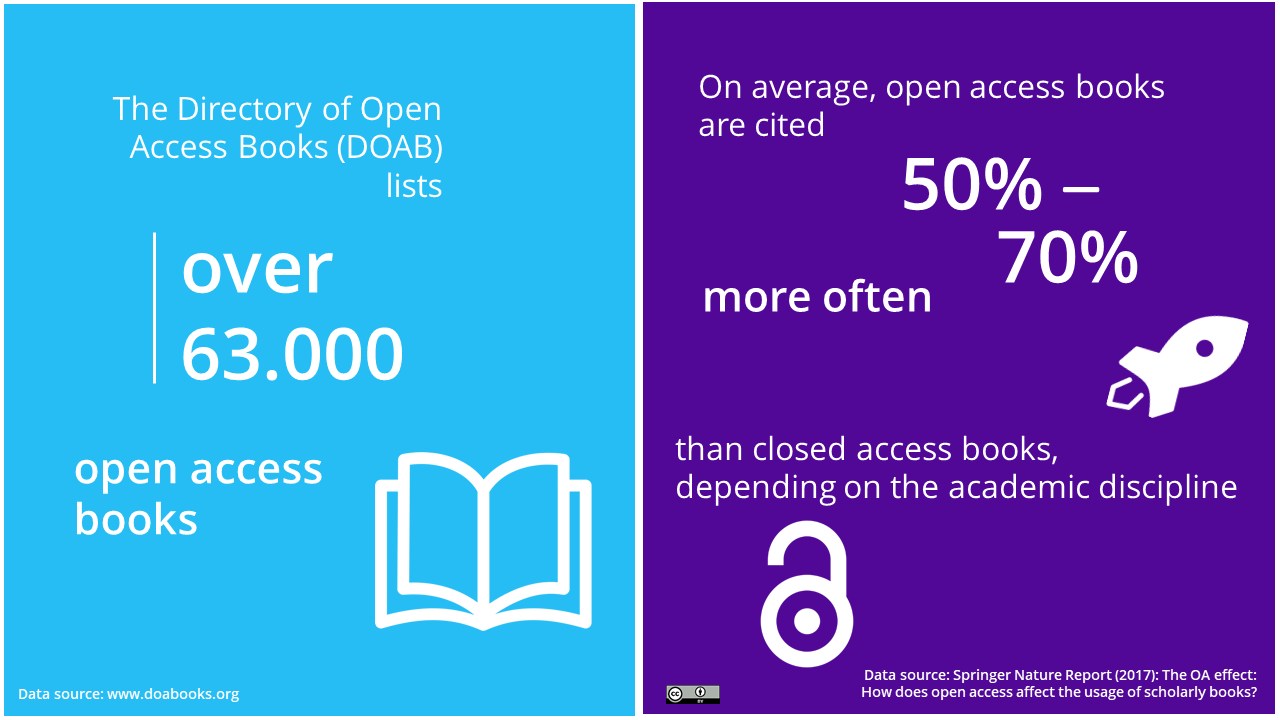
As of September 2025, the Directory of Open Access Books (DOAB) listed 581 titles under the keyword History of art and 36 titles under History of art/art & design styles, while the OAPEN Library (OAPEN) listed 27 titles under History of art/art & design styles. Many international museums and research institutions, for example the Getty Research Institute’s Getty Publications Virtual Library, the Metropolitan Museum of Art’s MetPublications, and the Canadian Online Art Book Project, now offer cost-free access to a selection of their books.
The open access publication platform arthistoricum.net ART-Books, which is provided by Heidelberg University Library, publishes open access scholarly e-books from the fields of art history, photography, and design (gold open access) and also makes digital versions of print books from these fields available to the public (green open access). The cost-free offering is addressed to art historians worldwide. The platform uses the open source software Open Monograph Press (OMP), which is provided by the Public Knowledge Project (PKP).
Disciplinary Repositories
ART-Dok, the publication platform of arthistoricum.net, offers scholars from all over the world an opportunity to make their digital art history publications (monographs, articles, lectures, etc.) available in open access. The self-archiving of digital versions of works published in print format elsewhere is also possible and desired. As of September 2025, ART-Dok contained over 9,500 open access publications.
Overviews of relevant repositories are also provided by the Open Directory of Open Access Repositories (OpenDOAR) and by re3data under the search terms Art History and Data Access (as of September 2025).
Video über das Zeitveröffentlichungsrecht
Quelle: Brehm, E. (2021). Zweitveröffentlichungsrecht für Wissenschaftler*innen, open-access.network. https://doi.org/10.5446/51789 (CC BY 3.0 DE)
Practical Tip
Finding Open Access Literature (in German)
Other Useful Offerings
Subject Portals and Platforms
- The information and service portal for art history arthistoricum.net is operated by the Saxon State and University Library Dresden (SLUB) and Heidelberg University Library.
- The Digital Art History Research Group, a platform for digital art history, promotes networking among scholars in the field of art history who develop, use, and theoretically reflect on digital tools and methods.
- The Deutsche Verband für Kunstgeschichte e. V. (German Association for Art History) represents the interest of art historians working in Germany and at German institutions abroad.
- The online archives JSTOR and Project MUSE now make available open access content of relevance to art historians.
Databases and the Like
- The Art Discovery Group Catalogue is an international database with holdings from art and museum libraries in the USA and Europe.
- Via arthistoricum.net’s catalogue, users can search for literature of relevance to art history. Searches in the full texts of collections and in image sources and disciplinary repositories are also possible.
- The Getty Research Portal is a subject portal of the Getty Research Institute. The portal offers worldwide open access to digitized art history literature.
- The Database Information System (DBIS) provides an overview of databases in the areas of art history and architecture.
Image Databases
- The Bildarchiv Foto Marburg at Philipps-Universität Marburg is the German Documentation Centre for Art History. With around 2.6 million images, it is one of the largest digital image archives for European art and architecture.
- With around 7 million digitized images, the Deutsche Fotothek is a universal archive of art and cultural history. It is located at the Saxon State and University Library Dresden (SLUB).
- heidICON is Heidelberg University Library’s object and multimedia database.
- prometheus is a distributed digital image archive for research and teaching located at the Department of Art History at the University of Cologne. With almost 4 million high-quality digitized images from the fields of art and archaeology, the web-based collection currently connects 128 databases from institutes, research facilities, and museums on a common user interface.
Open Science in Art History
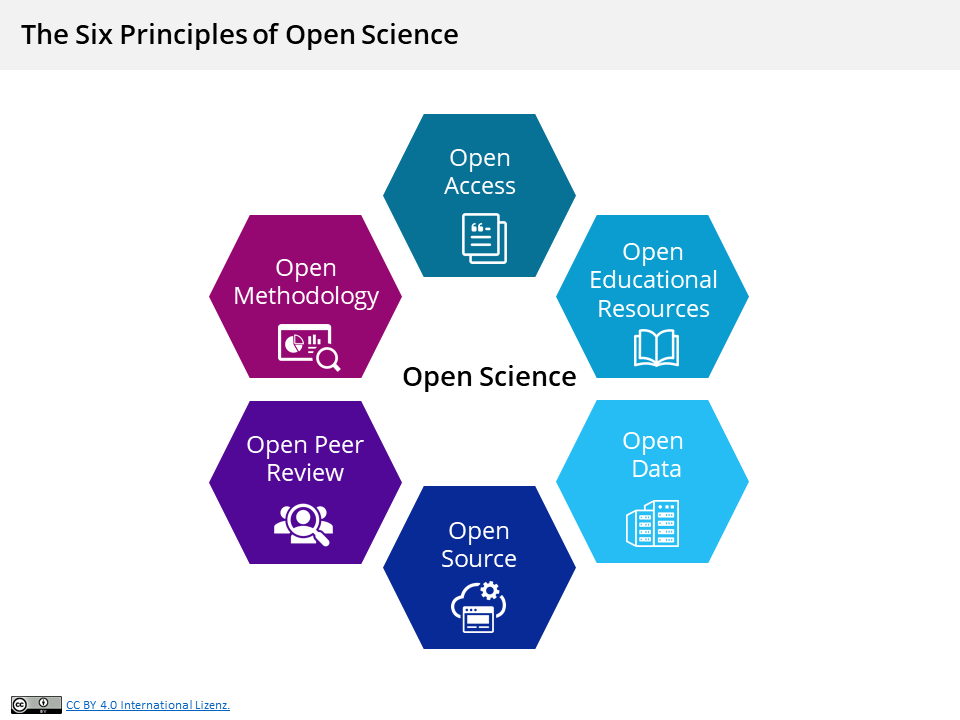
Although open access has received strong support in the field of art history in recent times, legal, technical, and organizational issues relating to the publication and archiving of art history research data still put obstacles in the way of many scholars who want to publish their data open access. To remedy this, the consortium NFDI4Culture, which was established in October 2020, has set itself the goal of creating an infrastructure for research data on tangible and intangible cultural assets and, when doing so, to engage with the needs of the communities. The NFDI4Culture Helpdesk advises art historians on various aspects of handling research data. Questions can be asked about legal aspects, publishing and archiving data, digitization in general, open access standards, and support for the planning of funding proposals. Moreover, with its FAIR Clearing Unit, NFDI4Culture has created an advisory service that promotes the application of quality standards such as the FAIR Principles. The Munich Memorandum 2024 – Research Data in Art History: 10 Theses (Deutscher Verband für Kunstgeschichte e. V. et al., 2024) formulates from the perspective of art history in Germany current requirements, positions, and impulses for the further development of digital art history research data and their infrastructure.
In addition to the possibility of archiving research data in institutional research data repositories, research data relating to open access publications on arthistoricum.net can also be published online and archived with arthistoricum.net@heiDATA.
DARIAH-EU is a European network that not only supports and improves digital research and teaching in the arts and humanities but also promotes the transition to open science in these fields.
Praxistipp
Wie und unter welchen Bedingungen audiovisuelle Materialien als Open Educational Resources in Forschung und Lehre genutzt werden dürfen, erläutert das Rechtsgutachten von Klimpel & Rack (2023).
References
- AG Digitales Publizieren (2021). Digitales Publizieren in den Geisteswissenschaften: Begriffe, Standards, Empfehlungen. https://doi.org/10.17175/wp_2021_001_v2
- Effinger, M., & Kohle, H. (Eds.) (2021). Die Zukunft des kunsthistorischen Publizierens. arthistoricum.net. https://doi.org/10.11588/arthistoricum.663
- Effinger, M. (2023). Kunstgeschichte kommunizieren? Aufgaben, Herausforderungen und Weiterentwicklungspotenziale beim elektronischen Publizieren im Open Access. kritische berichte51(1). https://doi.org/10.11588/kb.2023.1.92820
- Fischer, V., & Petri, G. (2022). Bildrechte in der kunsthistorischen Praxis. Ein Leitfaden (2nd ed.). Verband Deutscher Kunsthistoriker e.V. http://doi.org/10.11588/artdok.00007769
- Deutscher Verband für Kunstgeschichte e. V., Universitätsbibliothek Heidelberg, Zentralinstitut für Kunstgeschichte (2024). Forschungsdaten in der Kunstgeschichte: 10 Thesen - Münchner Memorandum 2024. https://doi.org/10.11588/artdok.00009194
Content editors of this page: Alexandra Büttner. Revised by Maria Effinger, Heidelberg University Library (Last updated: October 2025).